A casino at night is more than just a building; it’s a living entity, a symphony of light, shadow, and human emotion. From the dazzling exterior that promises excitement to the electric hum of the gaming floor, these spaces are a photographer’s playground, rich with narrative potential. Capturing this ambiance, however, goes beyond a simple point-and-shoot approach. It requires a blend of technical skill to tame the chaotic lighting and an artistic eye to find the stories hidden within the spectacle. This guide is designed to help you move past the obvious snapshots and into the realm of compelling imagery that captures the very soul of the casino experience—its energy, its opulence, and its inherent drama. Whether you’re shooting the grand architecture or the subtle details within, these principles will help you translate that unique atmosphere into stunning photographs.
Mastering the Neon Jungle: Technical Approaches
The primary challenge of casino photography is the extreme lighting environment. You are dealing with deep shadows punctuated by intensely bright, multi-colored light sources. Taming this “neon jungle” is the first technical hurdle. The key is to take manual control of your camera settings, as automatic modes will almost certainly struggle with the high contrast, often crushing the blacks or blowing out the highlights. Your goal is to balance the scene, preserving detail in both the brightest and darkest areas.
Start with your aperture. For sweeping exterior shots of the casino’s facade, a narrower aperture like f/8 or f/11 will ensure a deep depth of field, keeping everything sharp. When you move inside (where permitted) or focus on details, a wider aperture like f/2.8 will help you isolate your subject and gather more precious light. Keep your ISO as low as possible (ideally between 100-400) to produce the cleanest images with minimal grain. A sturdy tripod is your best friend here, especially for exteriors, as it allows you to use a slower shutter speed to absorb ambient light without introducing camera shake.
White balance is another critical setting. Left on auto, your camera will try to “correct” the vibrant colors of the neon signs, often resulting in dull images. Switch to a manual Kelvin setting or use a preset like “Tungsten.” The best practice, however, is to shoot in RAW format. This captures the maximum amount of sensor data, giving you complete freedom to fine-tune the white balance and colors in post-production. It also provides a greater dynamic range, making it easier to recover details from shadows and highlights. The vibrant, high-contrast aesthetic is so powerful that it’s replicated in the digital world, influencing the design of platforms like the National Casino Argentina to evoke that same sense of excitement.
Composition and Storytelling: Beyond the Technical
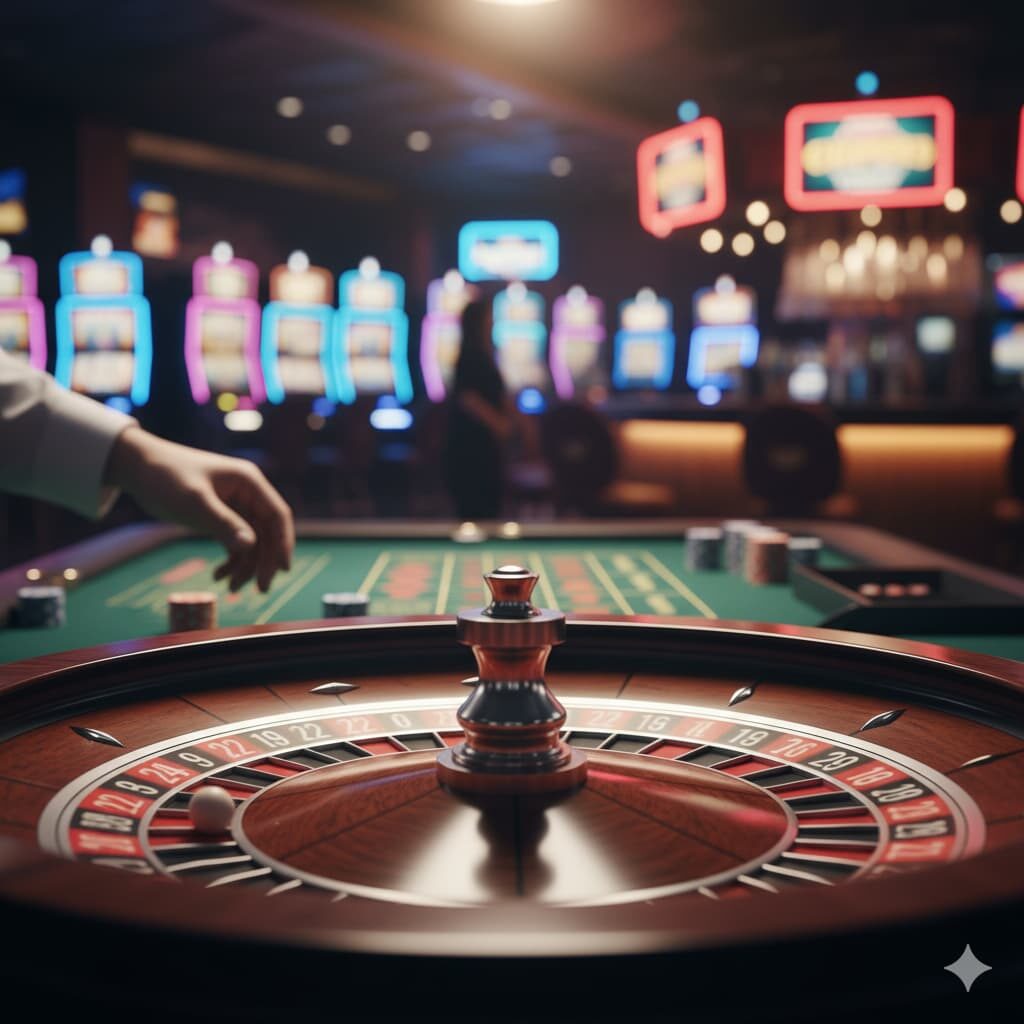
Once you have your technical settings dialed in, you can focus on the art of composition. A casino is a treasure trove of compositional elements. Look for reflections in polished floors and glass panels. Reflections add depth, create layers, and can produce beautifully abstract images that convey the dazzling atmosphere. Use the architecture itself to your advantage; the sweeping curves of a tower or the rigid rows of slot machines create powerful leading lines that guide the viewer’s eye through your frame.
But the story of a casino is ultimately about people. While respecting privacy and house rules is paramount, capturing the human element is what will breathe life into your photos. Focus on candid moments where permitted, or on the details that suggest human presence: the intense focus of a poker player or the blurred motion of a dealer’s hands. To enhance your compositional toolkit, consider these approaches:
- Isolate the Details: Move in close on a stack of colorful chips, the intricate patterns on a deck of cards, or the worn texture of the felt table. These macro shots add a tactile quality.
- Embrace the Abstract: Use slow shutter speeds with intentional camera movement to transform the chaotic lights into artistic blurs of color.
- Contrast and Juxtaposition: Look for moments of contrast—the chaotic, bright gaming floor versus a quiet, dimly lit lounge area.
- Framing: Use doorways or architectural arches to create a natural frame within your shot, adding depth and focusing attention on your main subject.
Post-Processing: Polishing the Diamond
Your work isn’t finished when you press the shutter button. Post-processing is where you can truly refine the mood and polish your casino images into finished works of art. If you’ve shot in RAW, you have incredible flexibility. Start by adjusting the exposure, recovering details from the shadows and taming the brightest highlights. This is where you can perfect the balance you aimed for in-camera.
Next, focus on color. Casino photography is a celebration of vibrant, saturated color. Use the HSL (Hue, Saturation, Luminance) panel in your editing software to selectively enhance the neon reds, blues, and greens, making them pop without looking unnatural. Color grading can also be a powerful tool for establishing a consistent mood across a series of photos. This digital transformation mirrors the evolution of the entire industry, extending even to the convenience of financial transactions, where a modern Neteller casino streamlines the player experience, removing friction so the focus remains on the game’s aesthetic and thrill. Finally, use dodging and burning—selectively lightening and darkening parts of the image—to guide the viewer’s eye. Brighten the subject you want to emphasize and subtly darken distracting elements in the background. This classic darkroom technique adds a level of polish and intentionality that separates a good photo from a great one.